
Quality
▍Color Test
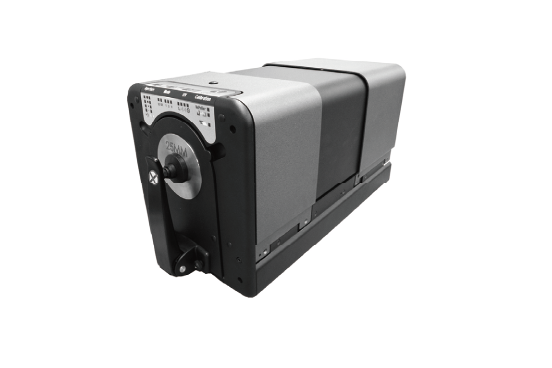
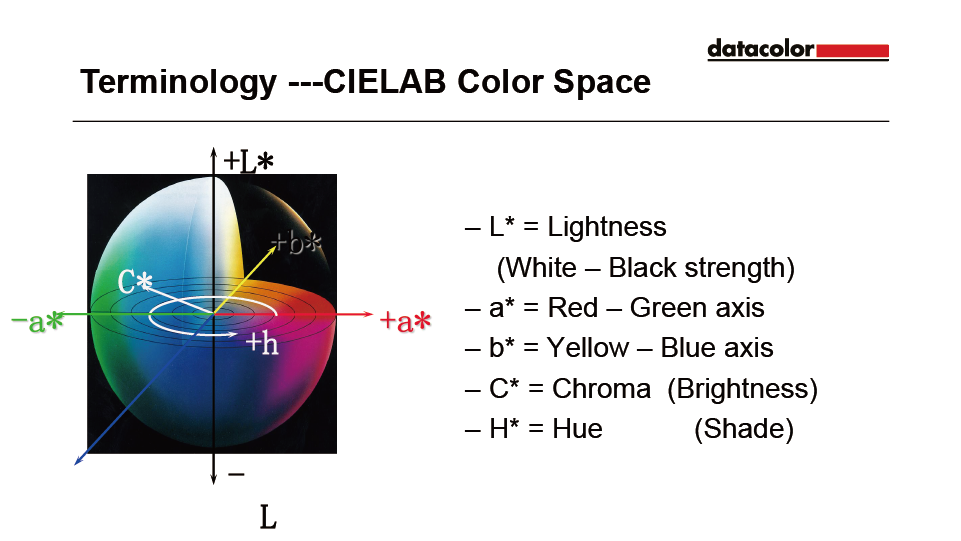
Spectral colorimeter is widely used in the zipper industry. In terms of color quality control, it can accurately detect the color of zipper tape, micro-tooth electroplating and slider to ensure its uniformity and consistency, and guarantee the quality of product appearance. In the production process, it can be used for raw material inspection and online monitoring, control and adjust color deviation from the source in real time, and improve production efficiency and pass rate. In the product research and development improvement link, it helps the development of new materials and the optimization of color formulas, promotes innovation and reduces costs. It can also assist in the formulation of quality standards and be used for product inspection and certification, providing scientific data for enterprises, enhancing market competitiveness and product recognition.
▍Salt Spray Test
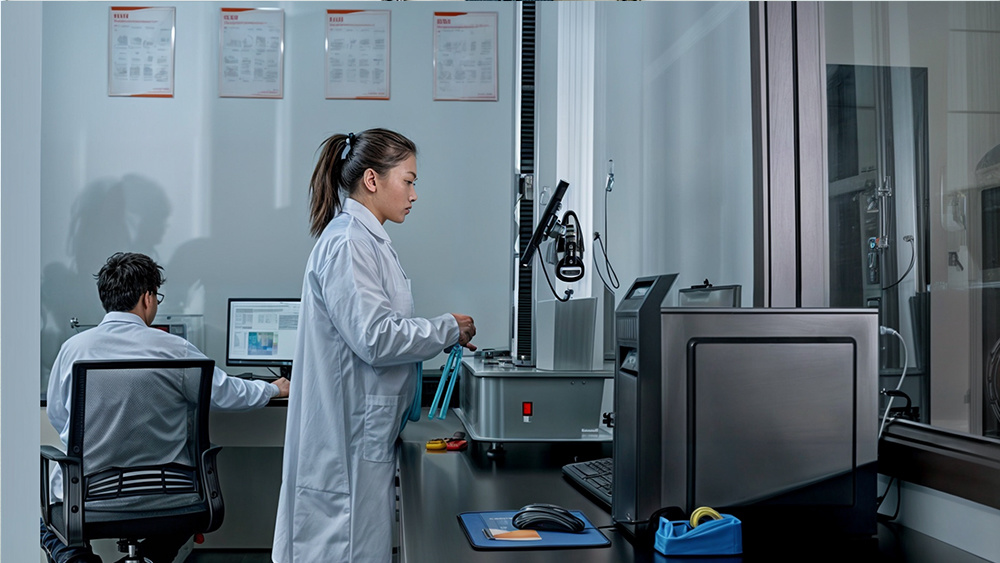
Salt spray testing is an important test method used to evaluate the corrosion resistance of metal materials and their surface coatings. In zipper manufacturing, salt spray testing is particularly important because it can simulate acid and alkali environments to detect the performance of zipper heads in harsh environments, such as discoloration, oxidation, etc. Salt spray testing is usually carried out in a closed salt spray test chamber by spraying a solution containing sodium chloride to simulate a salt spray environment. This test can last from a few hours to thousands of hours, depending on the expected use conditions of the product and the nature of the surface coating. For example, some standards specify test times of 24 hours, 48 hours, 72 hours or even longer. We follow our customers' standard requirements to ensure a comprehensive assessment of the corrosion resistance of the product.
▍Opening and Closing Test
The zipper opening and closing frequency test is designed to evaluate the durability and reliability of zippers during repeated use. By simulating the actual use of zippers in clothing, bags and other products, it is tested whether they can withstand frequent opening and closing operations without damage. Through rigorous zipper opening and closing frequency testing, we can effectively identify potential defects in products and improve the overall quality of products and user satisfaction. This test not only helps to improve the market competitiveness of products, but also provides consumers with more reliable and durable products.
▍Strenght Performance Test
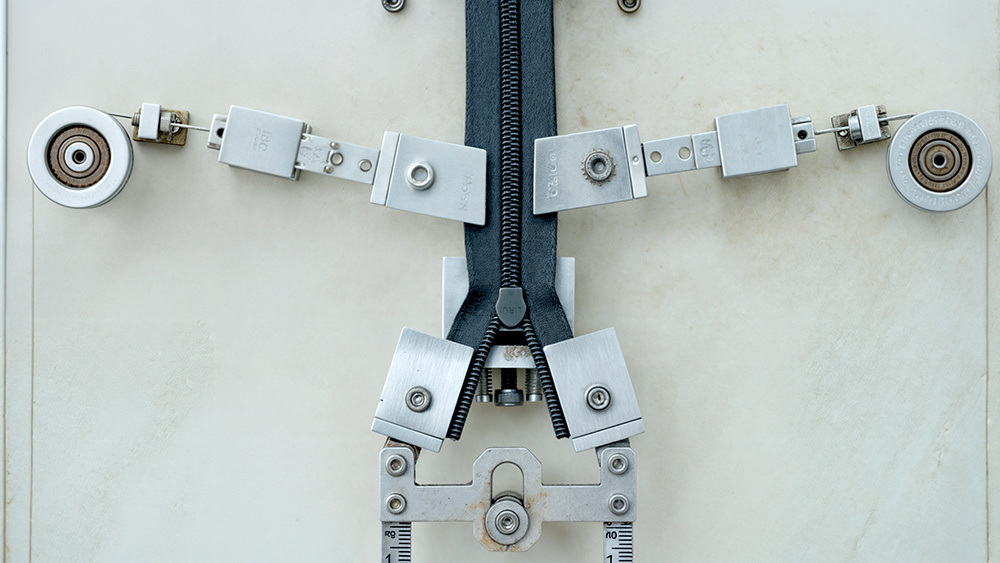
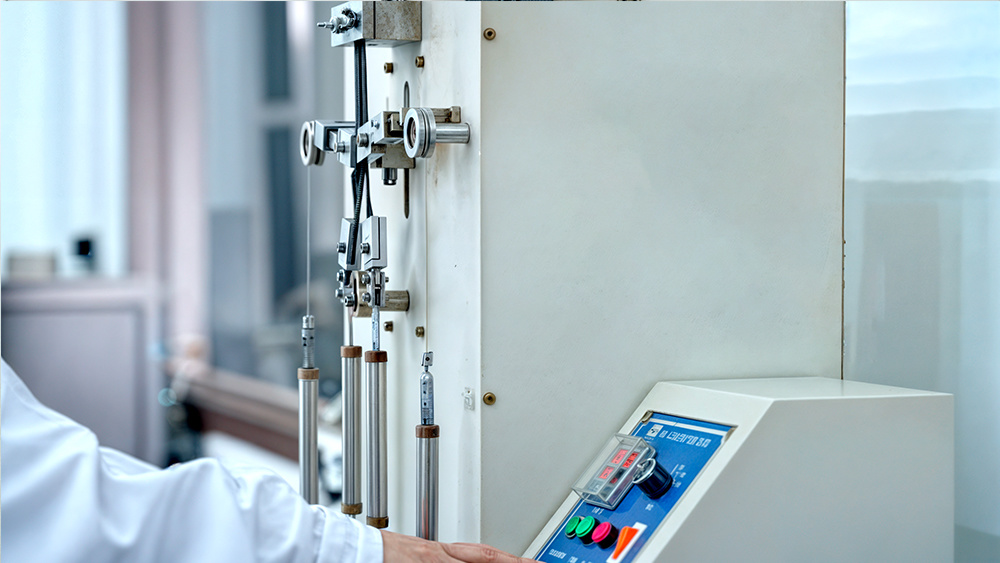
The zipper flat pull strength test is a test method used to evaluate the ability of a zipper to resist lateral forces in actual use. This test is essential to ensure the durability and reliability of the zipper. The zipper flat pull strength test is designed to determine the ability of a zipper to resist lateral forces in an interlocked state, which is very similar to the actual use state of the zipper. The test uses the YG027H-II zipper comprehensive strength tester, with a test range of up to 2000N, a test speed of 300±10mm/min, and a test equipment accuracy of ±0.5%FS. The main dimensions of the fixture include a width of 25mm, a clamping surface tooth profile angle of 60°, a pitch of 1.5mm, a tooth top width of 0.2mm, and a plane 0.5mm lower than the tooth surface from the two meshing clamping mouths to the inner teeth 3mm away. First, take a zipper sample with a length greater than 75mm and clamp it in the above-mentioned fixture. When clamping, the chain tooth foot and the clamping mouth of the fixture should be aligned and close. Then start the tester and test until the chain is broken. The value displayed at this time is the flat pull strength value. Our zippers can meet the Chinese QB/T 2171-2014 standard and various international standards. Through the zipper flat pull strength test, it can be ensured that the zipper products meet the necessary physical performance requirements during the design and manufacturing process, thereby ensuring the quality of the final product.


▍SPECTRO XEPOS III
Heavy metal testing of metal parts is a key link in evaluating the quality of zipper metal parts. It mainly detects whether the heavy metal content in the metal pull head meets environmental protection and safety standards. This test is carried out through atomic absorption spectroscopy, X-ray fluorescence spectroscopy and other technologies to ensure that the metal pull head does not contain heavy metals such as lead and cadmium that are harmful to the human body. We use SPECTRO XEPOSIII, which can be widely used in the analysis of elements in various materials, including soil, sludge, oil additives, cement, slag, refractory materials, electronic components RoHS testing, etc., and can respond to European WEEE, RoHS directives and SONY STM-0083 standards. This instrument provides important technical support in many fields with its efficient and accurate analysis capabilities. The test results are directly related to the quality and safety of the product. Qualified metal test results show that the zipper product is environmentally friendly and reliable, and consumers can use it with more confidence.


▍Color Fastness Test
Color fastness testing evaluates the resistance of all colored components, including polyester/nylon tapes, printed tapes, dyed metal zipper teeth, painted slider heads, and fabric slider pieces, to color transfer and shedding. The core objective is to prevent issues such as color fading and staining on clothing during zipper use and processing. This testing typically refers to national standards GB/T 21196 (Textile Color Fastness Testing) and GB/T 30419 (Color Fastness Testing of Upper, Lining, and Insole Materials for Footwear). It specifically includes color fastness to rubbing (by rubbing the colored parts of the zipper with dry and wet rubbing cloths, observing the degree of staining on the rubbing cloth, which is graded on a scale of 1-5, with 5 being the best, focusing on the friction scenarios between zippers and clothing during daily use), color fastness to perspiration (by simulating immersion of zipper samples in human acidic and alkaline sweat, observing the staining on the adjacent fabric after constant temperature placement, primarily for zippers used in intimate apparel), color fastness to washing (by washing zipper samples together with standard adjacent fabrics under specified temperature, detergent concentration, and bath ratio conditions, assessing the levels of color loss and staining, highly correlated with washing tests but focusing more on "color stability"), and color fastness to sunlight (by simulating ultraviolet radiation in a sunlight aging chamber, testing the resistance of zipper colors to fading, applicable to zippers used in outdoor clothing and luggage). The color fastness of finished zippers must reach Grade 3-4 or above (adjusted according to the needs of end customers), and products below this grade are considered unqualified and prohibited from entering the market.


▍Washing Test
The water washing test is a comprehensive performance test that simulates the zipper's resistance during garment washing and daily cleaning. Its core purpose is not only to verify whether the zipper can maintain its normal opening and closing function after multiple washes, but also to inspect whether the zipper tape shrinks and deforms, the metal teeth rust, and the slider gets stuck after washing. At the same time, it verifies the color stability of the zipper, that is, whether it fades during the washing process. During the test, the zipper needs to be sewn onto standard cotton fabric to simulate its actual use in garments. Then, according to customer requirements, the water temperature (room temperature / 40℃ / 60℃), washing time (15-30min), type of detergent, and washing frequency (5 times / 10 times / 20 times, simulating different service lives) are set. After washing, the sample is dried at a specified temperature, followed by performance testing. This includes manually opening and closing the zipper 10 times to check for smoothness, jamming, and slider detachment, observing whether the tape wrinkles and deforms, whether the metal parts rust, and whether the color fades or stains, as well as measuring the length change of the zipper before and after washing to assess whether the shrinkage rate is within the allowable range (usually ≤3%). This test is a mandatory item for zippers used in clothing and home textiles, especially for categories that require frequent washing such as children's wear, underwear, and down jackets, which have higher requirements for washing frequency and performance.

